

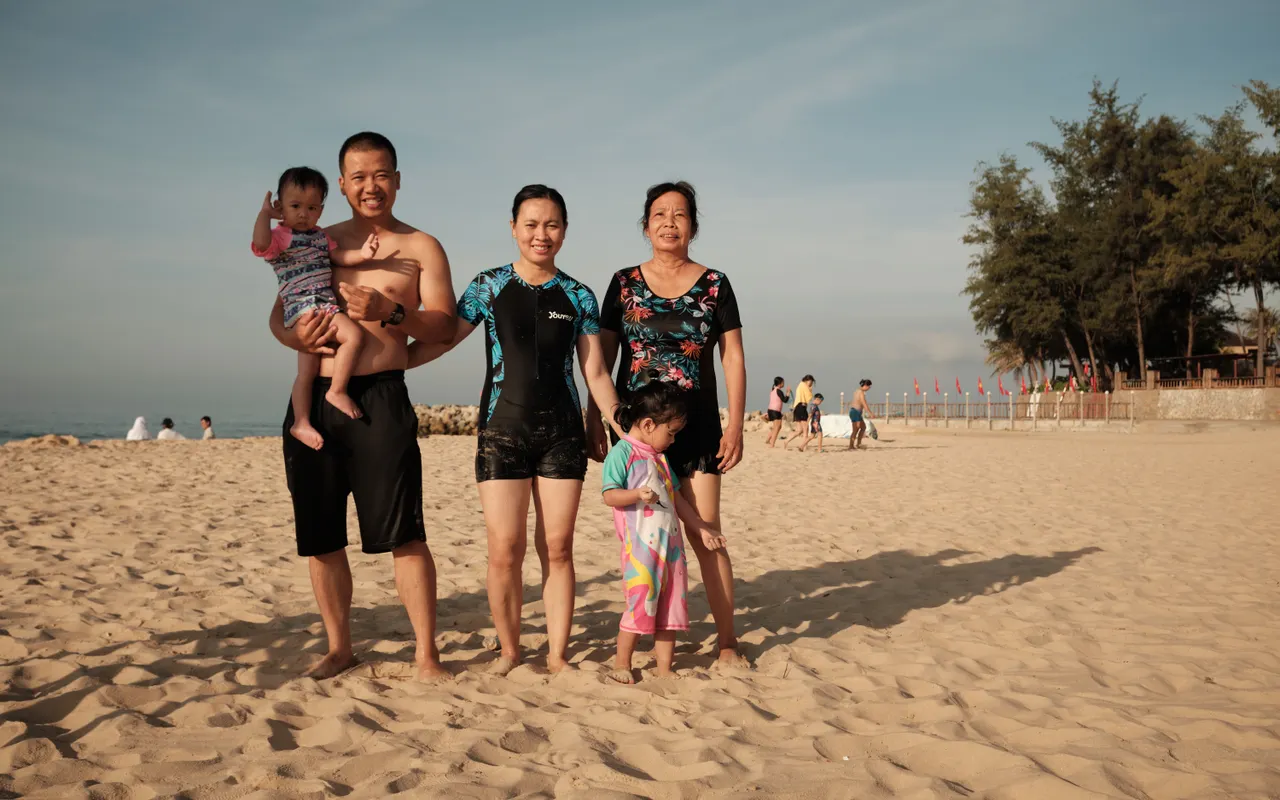
A family asks for a memorable day together. Within ten minutes, one person wants snorkelling, another wants a late start, the youngest needs a nap and the person paying assumes everyone will join the same programme. The difficult part is rarely finding activities. It is finding the shared plan underneath these different expectations.
A multigenerational activity plan should protect a few worthwhile moments together while giving people honest ways to participate differently. This guide provides an agent-led discovery and design method. It does not assume that age predicts fitness, confidence, interests or support needs.
Find the decision structure before discussing tours
Ask who coordinates the trip, who pays, who must approve spending and who can speak for participants. These roles may belong to four different people. A grandparent buying the holiday may want the adult children to choose the activities. A family coordinator may be collecting preferences without authority to accept a non-refundable reservation.
Confirm whether the budget is one shared allowance or several household budgets. Ask whether participation is expected from everyone and whether opting out would create tension. This question often reveals more than a long list of favourite attractions.
Give the coordinator a short explanation of your process: gather needs, propose a shared shape for the day, verify the operating details, then seek approval. Set a date for consolidated feedback. Without this, one new message from each household can restart the entire proposal indefinitely.
Collect preferences without making the loudest person the default
Invite each household to answer three prompts: a moment they want to share, something that would make the day uncomfortable, and a preference they can compromise on. A short individual response can expose needs that someone may not raise in a family discussion.
Use functional questions. Ask how long people are comfortable walking between rests, whether they want to enter the water, and whether early pickups work for them. Avoid labels such as active grandparents or easy children. These descriptions hide the actual conditions a supplier needs to understand.
For disability-related requirements, use the principle of asking the traveller rather than guessing. The W3C accessible-events checklist is a useful reference for asking about access and allowing appropriate breaks. A venue still needs to confirm the practical details for this particular visit.
Record disagreements without resolving them immediately. A traveller who dislikes boats does not need to defend that preference to receive a land option. Your role is to make the choice workable, not to persuade everyone to enjoy the same thing.
Build a participation map with three layers
Start with the shared anchor: the experience everyone wants to have together. It could be a hosted meal, a craft session, a short scenic stop or the first part of an island outing. The anchor needs to be satisfying in its own right rather than a waiting area for the main activity.
Next, identify optional branches. One group might take a guided walk while another stays for a longer hosted tasting. Branches work best when they start and end near the same place and have clear supervision arrangements. An optional activity far away can turn a simple split into two independent excursions.
Finally, mark recovery space: time with no booking, transfer or decision attached. This is especially useful between an excursion and dinner. Write it into the proposal so the coordinator does not fill it with another stop. Free time is part of the design when it protects the group’s ability to enjoy the next shared moment.
Convert access descriptions into answerable supplier questions
A phrase such as suitable for all ages is too broad to settle a recommendation. Ask about the vehicle entrance, boarding steps, distance from parking to the activity, surfaces, shade, seating and toilets. For a boat, clarify the boarding method at the actual departure point and whether conditions can change that method.
Describe the question precisely. Instead of asking whether a stop is wheelchair friendly, explain the traveller’s stated requirement and ask which route, doorway or transfer is involved. Request recent photographs where a visual answer would help. Do not interpret a wide path in a promotional photograph as verified step-free access.
Children’s participation requires similarly specific answers. Check the supplier’s current age or size rules, equipment availability, accompanying-adult requirements and any activity-specific limits. The agent should not invent a workaround when a child falls outside them.
Keep unresolved details visible. If the only route to lunch includes steps, explain that before selection. A smaller range of verified options is more useful than a large catalogue with optimistic assumptions.
Design the transfers as carefully as the activity
Record each household’s hotel and the actual pickup point. A family staying in several resorts may prefer a private vehicle, but the route still needs to be realistic. Ask whether the supplier can collect everyone and what order they propose. Do not promise that a shared departure can accommodate a bespoke collection circuit.
Place meals, toilet access and rests where they make operational sense. A long gap before lunch may be more disruptive than a shorter sightseeing programme. If a child needs a particular seat or equipment, verify availability before describing it as included.
Use official Koh Samui destination information to understand the wider geography, then validate the chosen route with the operator. Destination descriptions do not establish current journey times, access arrangements or departure logistics. The companion guide to realistic itinerary transfers explains how to turn a route into a timed plan.
Worked example: one family, two participation levels
Consider a hypothetical group of nine visiting Koh Samui: six adults and three children across three households. Their shared priority is spending an unhurried afternoon together. Two adults want a more active experience; one adult wants minimal walking; one child needs an earlier lunch. They have one shared activity budget of THB 24,000. These figures illustrate the method and are not supplier prices.
The first idea, a full-day marine outing, creates several unresolved questions: boarding, length of day, meal timing and whether people can remain comfortably on board. Rather than forcing the original idea to fit, the agent proposes a shorter land-based programme with a hosted shared lunch and one optional nearby activity.
The supplier is asked to quote transport, guide time, the meal, access details and the optional branch separately. The agent does not assume the optional branch is available or that the family can leave children with another participant without discussion.
Suppose the verified base programme is hypothetically THB 19,800 and the optional branch adds THB 2,100 for the two interested adults. The combined total is THB 21,900, leaving THB 2,100 inside the stated budget. That difference is not automatically spending money. Keep it unallocated until exclusions and any service charge have been checked.
The agent explains why this proposal fits: everyone shares the main experience, the active participants have a meaningful option and nobody must spend a full day tolerating an unsuitable activity. The family can still choose the marine trip later if its details are verified and participants prefer it.
Before sending either option, the agent runs a participation check with the coordinator. Can every person describe what they will do while the optional branch runs? Does anyone expect the guide to supervise children while also leading the active group? Are separate vehicles required if someone leaves early? Each unanswered question is assigned to a person, with a time for resolution. This prevents a seemingly flexible programme from relying on unpaid or unagreed support from relatives.
The agent also tests the day against a late start. If one household is twenty minutes behind, which part can move and which cannot? A private departure may offer some flexibility, but a booked host or venue can still have a fixed start. Agree the realistic response with the supplier. Sharing that response in advance lets the coordinator manage expectations without improvising at the hotel entrance. The aim is not an exact prediction of family behaviour. It is a plan that remains understandable when ordinary delays happen.
Create a weather and separation plan people understand
For outdoor activities in Thailand, consult the Thai Meteorological Department for official weather information. The activity operator must still decide whether their specific departure can operate. An agent should not translate a general forecast into a guarantee about sea conditions or a particular route.
Ask what happens if one branch closes while the main programme operates. A family may accept an ordinary weather adjustment but dislike discovering that two people lose their main reason for joining. Identify the decision point, who contacts the coordinator, and whether the proposed alternative has any additional cost or cancellation implications.
For planned splits, establish the meeting place, approximate reunion time, responsible adults and contact method. Clarify what happens if a participant returns early. The plan must not depend on every traveller having mobile data or reading the same group chat at the same time.
Write a proposal that preserves everyone’s dignity
Describe the day through choices and practical conditions. Say that one route has fewer walking sections and a seated break, rather than calling it the grandparents’ option. Explain an optional water activity through its requirements rather than assigning it to younger travellers.
Show the whole-group total, optional costs and household payment arrangements clearly. If the coordinator wants costs kept private, establish who receives the commercial document and who receives the participation information. Everyone still needs to understand relevant conditions before committing.
Keep personal details limited to what is needed for planning and delivery. The UK ICO data-minimisation guidance offers a useful general reference. Agree how necessary support information reaches the supplier, and check the privacy requirements that apply to your business and markets.
Do not write a participant’s diagnosis into a general family itinerary. An operational requirement can usually be expressed more narrowly. Retain enough verified detail to serve the traveller without turning every document into a sensitive personal record.
Check the allocation of responsibility when households split the cost. If one family declines an optional branch, ask whether that changes the shared vehicle or guide charge for everyone else. Explain the revised total before collecting approval. This is particularly useful when a coordinator describes a per-person amount informally, while the supplier is actually charging for a vehicle or a fixed private group.
A reusable family planning brief
Use the following prompts in a call or editable document. Complete unknowns explicitly rather than leaving blank spaces that look settled.
- Coordinator and approver: who collects replies, who accepts the quote, and when approval is needed.
- Group composition: traveller numbers, supplier-relevant child ages, languages and accommodation locations.
- Shared anchor: the moment everyone wants to experience together and why it matters.
- Participation conditions: walking, boarding, seating, meal timing and support requirements stated by travellers.
- Optional branches: who is interested, supervision arrangements, meeting points and return conditions.
- Commercial boundaries: shared budget, optional spending, exclusions and payment responsibilities.
- Operating checks: pickup, transport, current availability, equipment and unresolved supplier answers.
- Change plan: weather decision-maker, update time, alternative format and relevant conditions.
Send the completed brief back for correction before commissioning a custom itinerary. This gives the coordinator an opportunity to spot assumptions while changes are still inexpensive. For a more complex custom day, use the private-tour briefing method before requesting supplier prices.
Finish with a controlled booking handover
A family choosing the programme is not the same as the supplier confirming it. Recheck date, participant breakdown, optional branches and final requirements at booking. Record which version the approver accepted and send participants the concise practical instructions they need.
Tripnatic’s agent workspace can support searching activities, preparing private quotes and keeping client details with the booking workflow. Registration is followed by verification and approval before activation. A prepared quote does not reserve capacity; verify availability through the booking process and resolve special arrangements directly before representing them as confirmed.
After the activity, ask one targeted question about the design: did the shared time and optional time feel balanced? Record the answer alongside what was actually delivered. A useful family planning history captures decisions that worked for these people, while leaving room for their needs to change on the next trip.


