

Tripnatic travel journal

IndonesiaBandungDestination guideItineraryFirst trip

Bandung Geology Museum: volcanoes, fossils and reading the displays

Use rocks, fossils and maps to understand more of Java, with a focused Museum Geologi route and practical advice for a calm Bandung half-day.

Destination-first planning10 minute readUpdated October 24, 2026
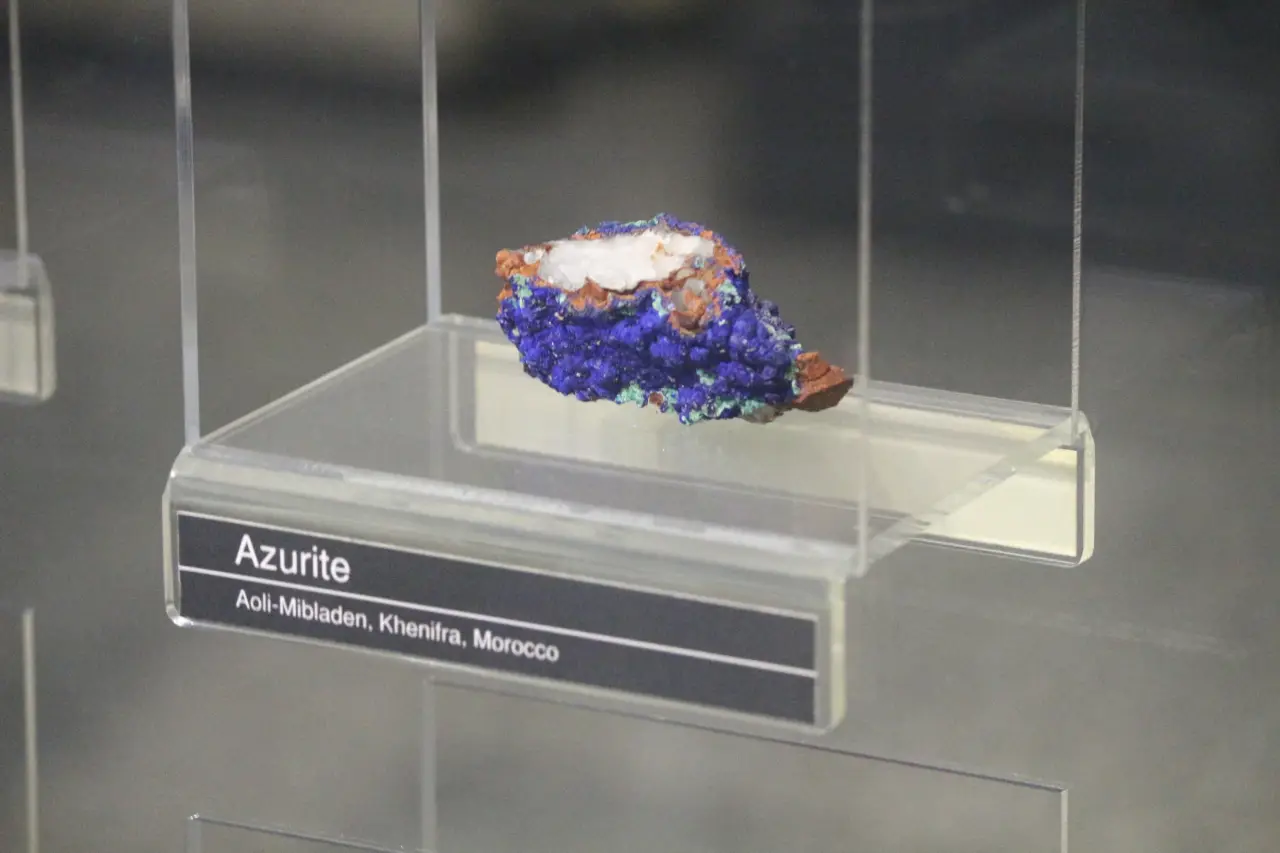
A vivid blue azurite specimen displayed inside Museum Geologi in Bandung, Indonesia.

Bandung is a good place to become more curious about the ground beneath an Indonesian journey. A mountain view can be beautiful without explaining how it formed. A specimen, map and carefully read label can turn that view into something you understand. Museum Geologi, on Jalan Diponegoro, offers that change of perspective without requiring a mountain excursion or specialist geological knowledge.

The strongest visit follows a question. You might want to understand why Java has volcanoes, how a fossil becomes evidence, or how minerals connect landscapes with everyday objects. Trying to absorb every case is less rewarding than choosing one of those threads and following it carefully. This guide proposes a route through the ideas, while leaving the precise room order to the museum’s current circulation signs.

Decide what you want to understand

For a first visit, Indonesian geology makes a useful starting point. It provides geographical context for the rest of the collection. Spend time with an overview map before concentrating on individual rocks. Find Java, then locate another island you have visited or plan to visit. Ask which geological processes the display associates with each place and whether the evidence is a map, a specimen or an explanatory model.

Visitors travelling with children may prefer to start with the history of life. A large fossil shape can generate a question before anyone needs to read a long panel. Adults with an interest in landscape photography may find the rocks and geological-process displays a better first stop. Neither route is more serious. A clear point of interest helps everyone resist the impulse to race towards the most spectacular object.

Agree on a modest shared goal before entering. Each person could choose one object that changes how they imagine Indonesia. At the end, compare the choices. This gives a family or mixed-interest group something concrete to discuss without turning the visit into a school assignment.

Begin with the map, then look at the rocks

The Indonesian geology section introduces the formation of the archipelago and includes rocks, minerals and ways of identifying them. Use those categories as tools. A rock’s colour catches the eye, but texture, grain and the way its components fit together can be more revealing. Look first, describe what is visible, and only then read the label to test your description.

A useful exercise is to compare two specimens that seem similar at first. Are both made of visible crystals? Does one have layers? Does the display explain where they were collected? You do not need to name either specimen from memory. The point is to notice how museum evidence is assembled and why two apparently ordinary pieces of stone deserve separate labels.

Avoid compressing the entire archipelago into a single volcanic story. Where a display distinguishes places or processes, retain those distinctions. It is more useful to leave understanding one example than to remember an oversimplified claim about every Indonesian island. If a translated term is unfamiliar, photograph the label where permitted and look it up later, rather than blocking the case while searching your phone.

Read fossils as evidence, not just impressive shapes

The history-of-life gallery covers a very long timescale, including changes in living organisms and the geological history of the Bandung area. It also includes replicas of early human fossils. This is a good place to slow down over the difference between an original specimen, a cast and a reconstruction. A replica can communicate important evidence, but it should not be described as the original object.

For each chosen display, ask three questions: what survives, what has been reconstructed, and what conclusion does the label draw? A skeleton silhouette may make immediate visual sense, while a small fragment beside it carries the actual evidence. Give the less dramatic object a chance. Its importance may depend on context rather than size.

The Bandung landscape material offers a particularly useful connection with the city outside. Instead of treating geological time as a distant abstraction, consider how a place can have a history that predates its present streets. Take care to distinguish a display’s account of an ancient environment from the environment you can see today. A museum diagram is an explanation of a past state, not a promise of what is visible on an afternoon drive.

Connect geological processes with daily life

The resources and geological-hazard displays bring the subject closer to everyday decisions. The resources section addresses materials, energy and water. Choose one familiar object from your own journey, such as a metal bottle, a phone or a building tile, and think about the chain between a geological material and its finished use. The specimen in the case is only one stage in that chain.

The hazards gallery addresses events including earthquakes, tsunamis, volcanic eruptions and landslides. Treat it as an educational introduction. It is a place to understand processes and the language used to describe them. Current route decisions, closures or emergency instructions should come from the responsible authorities for the place and date of travel.

This distinction matters if a visit inspires a later volcano excursion. A museum explanation can deepen your interest without establishing that a particular trail is open or suitable. Keep the learning and the operational check as separate steps. It is sensible to enjoy a geological collection even when there is no mountain trip in your itinerary.

Build a visit around attention rather than room totals

Allow roughly two hours for a selective visit, plus arrival and a break. This is a planning allowance, not a museum-prescribed duration. A person reading every panel may want longer; a family following one question may prefer less. The useful measure is whether you can still recall and discuss what you are seeing.

A workable pattern is an overview, a sustained look at one section, a short pause, and a second section with a different kind of evidence. For example, compare a geological map with fossil material, then finish with an everyday-resource question. That creates variety without requiring a hurried sweep of every display.

Before beginning a final room, check the remaining opening time. An unplanned rush is particularly unhelpful in a collection where labels explain what the objects represent. If time is short, finish one display properly and leave the next subject for the museum’s online material. A smaller coherent visit is easier to remember than an incomplete circuit.

Check the visiting rules before leaving your accommodation

The museum’s official visiting page, checked for this guide in October 2026, lists different weekday and weekend opening periods and states that it closes on Fridays, national holidays and collective leave days. Use that page for the date of your visit. A map application’s general opening badge may not capture a holiday exception.

The same page distinguishes individual or small-group visits from organised groups of more than 20 people. If you are arranging a coach group, contact the museum through its published reservation channels before building the visit into a confirmed itinerary. Independent travellers should still read the arrival procedure, which includes an onsite reservation step and ticket wristbands.

Have a payment option that the ticket desk accepts and do not assume your foreign banking application works with every local QR system. Check the current ticket categories directly rather than relying on an old blog’s price. Keep the museum’s official name and street address saved on your phone so that a driver can identify the correct destination.

Plan transport as a separate part of the outing

The museum is at Jalan Diponegoro 57 in Bandung. When arranging a taxi or ride-hailing journey, set that destination rather than a broad neighbourhood pin. Check the pickup point on arrival so the return is straightforward. A driver’s estimate is about the journey at that moment, and should not become a guaranteed transfer time for a later departure.

If your day includes a train journey, leave a generous margin between the museum and the station. A geological visit is flexible until it is tied to a fixed departure. Keep food, traffic and collecting luggage in the plan. It is better to stop looking at exhibits while you still have comfortable time than to begin the transfer already late.

Walking onward can be appealing, but first look at the actual crossing, pavement and weather conditions. A nearby point on a map is not necessarily an effortless pedestrian connection. Choose one confirmed next stop or a meal nearby, rather than turning the afternoon into a long chain of transfers across Bandung.

Make reading and language manageable

Preview the museum’s official gallery descriptions before visiting. They give you a small vocabulary of themes and help you identify the rooms that matter most to you. If you do not read Indonesian, ask at the desk about the available language support for that day. The museum says guiding can depend on staff availability and visitor density, so do not make the whole visit depend on an unconfirmed guide.

Use a translation application selectively if it helps. Translate a title or a short label that unlocks a display, then return your attention to the object. Translating every paragraph can make a short visit exhausting, and machine translations of scientific terminology may need checking. Saving a question for later is a reasonable outcome.

For children, a drawing or a comparison can work better than a long translated explanation. Ask which rock has the most visible layers, which fossil leaves the clearest impression of an animal, or which object has surprised them. Avoid asking children to touch a specimen to solve a question unless the display explicitly invites handling.

Accessibility, belongings and photography

Contact the museum before visiting if you need step-free circulation, a particular toilet arrangement, seating at regular intervals or support with a sensory concern. Explain the specific requirement and ask about the route through the galleries you want to see. A general statement that a museum is accessible is less useful than confirmation of your actual route.

Carry a manageable bag and keep food and drinks out of the galleries. The museum’s rules prohibit touching collections unless specifically marked for handling, and visitors should not lean on cases. That is also a practical viewing habit: stand back enough for others to see while you read, then move closer briefly to inspect a detail.

Personal photography is subject to the museum’s conditions and must not obstruct circulation. Commercial recording requires permission. A quick photograph of an object and its label is more useful than many unlabeled close-ups. Follow any additional signs around a specific exhibit, and ask staff when a professional camera setup or organised shoot might need approval.

Leave with a question for the rest of Java

Before leaving, choose one idea to carry into the rest of your journey. It might be a better understanding of a mineral, a more careful distinction between casts and originals, or curiosity about an ancient landscape beneath a modern city. Write a sentence about it while the display is still fresh.

Museum Geologi is especially rewarding when that small piece of knowledge changes what you notice later. A roadside cutting, a building material or a distant ridge can become more interesting without requiring you to turn every outing into a geology lesson. The visit has succeeded when the landscape looks richer because you have learned how to ask a better question.

KEEP EXPLORING

More places and travel themes.

Move from this guide into its country, nearby destinations or a related editorial tag.

Browse the journal

SHARED TRAVEL THEMES

Similar ideas, different places.

Articles connected through Destination guideItineraryFirst trip.

Explore this tag
Bali Tirta Gangga: pools, stepping stones and considerate photography, travel inspirationBali

Bali Tirta Gangga: pools, stepping stones and considerate photography

Plan Tirta Gangga’s sculpture ponds, Nawa Sanga fountain and upper garden, with current ticket details, swimming choices and considerate photography.

Read guide
Dragon Descendants Museum: a separately planned Suphan Buri visit, travel inspirationThailand

Dragon Descendants Museum: a separately planned Suphan Buri visit

Choose the Dragon Descendants Museum exhibition, shrine and visitor village deliberately, with current session checks and context for its Chinese and Thai-Chinese themes.

Read guide
Hue Imperial City: gates, courtyards and restoration in context, travel inspirationHue

Hue Imperial City: gates, courtyards and restoration in context

Read Hue’s Imperial City through its gates, ceremonial spaces and changing restoration, with a manageable route and time to understand what survives.

Read guide
Khanom dolphin trips: choose a responsible boat outing without guarantees, travel inspirationThailand

Khanom dolphin trips: choose a responsible boat outing without guarantees

Choose a Khanom dolphin outing by boat practice, distance and weather policy, with honest expectations about wild sightings and practical boarding advice.

Read guide
Ko Lanta: a coastal base with one separate park day, travel inspirationKoh Lanta

Ko Lanta: a coastal base with one separate park day

Settle into a comfortable coastal routine on Ko Lanta and give a national park outing its own plan, with clear choices about rooms, shore access and transport.

Read guide
Ko Luang Waterfall: a focused Mae Ping National Park visit, travel inspirationThailand

Ko Luang Waterfall: a focused Mae Ping National Park visit

Give Mae Ping's limestone waterfall a focused outing, with precise Li district geography, current park advice and time to appreciate the cascade from permitted areas.

Read guide
Ko Pha Ngan: choosing a quiet beach base, travel inspirationKoh Phangan

Ko Pha Ngan: choosing a quiet beach base

Choose a relaxed island stay by checking the details that shape each day: the room, route to the shore, nearby meals and the last stretch from the ferry.

Read guide
Cardiff St Fagans: historic buildings and a focused open-air museum day, travel inspirationCardiff

Cardiff St Fagans: historic buildings and a focused open-air museum day

Build a St Fagans route around homes, belief and working life, distinguishing relocated historic buildings from evidence-based reconstructions.

Read guide
Chiang Mai National Museum: a first route through Lanna history, travel inspirationChiang Mai

Chiang Mai National Museum: a first route through Lanna history

Plan Chiang Mai National Museum with a focused route through Lanna history, Buddhist sculpture and craftsmanship, plus gallery hours and transport checks.

Read guide
Hin Sam Wan: plan the Three Whale Rock viewpoint visit, travel inspirationThailand

Hin Sam Wan: plan the Three Whale Rock viewpoint visit

Plan Hin Sam Wan through managed forest access, current local transport and a considered sandstone viewpoint visit in Bueng Kan.

Read guide
Ipoh Han Chin Pet Soo: a reserved museum visit and old-town walk, travel inspirationIpoh

Ipoh Han Chin Pet Soo: a reserved museum visit and old-town walk

Reserve Han Chin Pet Soo in Ipoh and understand its Hakka miners club, tin history and kitchen exhibits before a relaxed walk through Old Town.

Read guide
Kaohsiung Weiwuying: theatre architecture and the park outside, travel inspirationKaohsiung

Kaohsiung Weiwuying: theatre architecture and the park outside

Explore Kaohsiung’s Weiwuying architecture and park with clear choices between public spaces, official tours and performances, plus metro and access advice.

Read guide
Ko Chang in Trat: an east-coast road outing, travel inspirationKoh Chang

Ko Chang in Trat: an east-coast road outing

Plan a deliberate road day on Trat's Ko Chang, with one main east-coast stop, optional community boat activity and a comfortable return to your island base.

Read guide
Ko Phayam: choose a bay and give the island enough time, travel inspirationThailand

Ko Phayam: choose a bay and give the island enough time

Ko Phayam works best when you choose a bay before a room. Understand the arrival pier, compare the western shores and give the boat journey enough space for a stay that feels unhurried.

Read guide
A three-day Koh Phangan itinerary around the Full Moon Party, travel inspirationKoh Phangan

A three-day Koh Phangan itinerary around the Full Moon Party

A realistic three-day plan with a calm arrival, space for the party and a recovery day that still leaves room to enjoy Koh Phangan.

Read guide
Full Moon Party costs: how to budget the whole trip, travel inspirationKoh Phangan

Full Moon Party costs: how to budget the whole trip

Budget for the whole visit to Haad Rin, including the room nights and return journeys that headline party prices leave out.

Read guide
Koh Samui to the Full Moon Party: ferries, piers and the return, travel inspirationKoh Phangan

Koh Samui to the Full Moon Party: ferries, piers and the return

Choose the right pier, understand what your ticket includes and plan every connection between your Samui hotel and Haad Rin.

Read guide
Haad Rin beach areas: where the Full Moon Party happens, travel inspirationKoh Phangan

Haad Rin beach areas: where the Full Moon Party happens

Find your bearings around Haad Rin, from the main party beach to Sunset Beach, Leela Beach and bays with separate transport needs.

Read guide
What to do on Koh Phangan in daylight around the Full Moon Party, travel inspirationKoh Phangan

What to do on Koh Phangan in daylight around the Full Moon Party

Choose beaches, forest visits and easy food outings that fit your energy and the weather before or after the Full Moon Party.

Read guide
Full Moon Party Koh Phangan: a first-timer’s guide, travel inspirationKoh Phangan

Full Moon Party Koh Phangan: a first-timer’s guide

A practical first visit to Haad Rin, with the date, room, journey home and beach-night essentials arranged before the music starts.

Read guide
Full Moon Party packing list: what to wear and what to bring, travel inspirationKoh Phangan

Full Moon Party packing list: what to wear and what to bring

A practical packing checklist covering clothes, secure shoes, phone protection, documents, cash and the dry outfit to leave at your room.

Read guide
Full Moon Party weather: planning for Koh Phangan's rainy season, travel inspirationKoh Phangan

Full Moon Party weather: planning for Koh Phangan's rainy season

Understand the Gulf weather pattern and build a flexible plan for ferries, accommodation, party-night transport and rainy-day activities.

Read guide
Full Moon Party safety: a practical plan for the night, travel inspirationKoh Phangan

Full Moon Party safety: a practical plan for the night

A practical plan for drinks, belongings, friends and the journey home, with current official advice and decisions to make before going out.

Read guide
Where to stay for the Full Moon Party on Koh Phangan, travel inspirationKoh Phangan

Where to stay for the Full Moon Party on Koh Phangan

Compare Koh Phangan areas by the journey home, room conditions and the rest of your holiday, with questions to ask before booking.

Read guide

YOUR NEXT IDEA

Recommended around your curiosity.

Continue through countries, destinations and themes related to this guide.

View all guides
Ubud or south Bali: choose one base or split the stay, travel inspirationUbud

Ubud or south Bali: choose one base or split the stay

Compare Ubud and south Bali for culture, beaches, wellness, nightlife, family travel and realistic transfers between the regions.

Read guide
Bali Tirta Gangga: pools, stepping stones and considerate photography, travel inspirationBali

Bali Tirta Gangga: pools, stepping stones and considerate photography

Plan Tirta Gangga’s sculpture ponds, Nawa Sanga fountain and upper garden, with current ticket details, swimming choices and considerate photography.

Read guide
Semarang Lawang Sewu: railway history and the courtyard buildings, travel inspirationJava

Semarang Lawang Sewu: railway history and the courtyard buildings

Explore Lawang Sewu’s stained glass, railway collections and courtyard architecture in Semarang, with a practical route and current-access checks.

Read guide
Bali Taman Ayun: temple views and the Mengwi garden setting, travel inspirationBali

Bali Taman Ayun: temple views and the Mengwi garden setting

Explore Taman Ayun in Mengwi through its water, courtyards and tiered meru shrines, with a practical Bali route and context for the subak landscape.

Read guide
Yogyakarta Taman Sari: water gardens, passages and a careful route, travel inspirationYogyakarta

Yogyakarta Taman Sari: water gardens, passages and a careful route

Explore Taman Sari’s royal bathing pools, named gates and former water garden, with a useful route and current-access checks for Sumur Gumuling.

Read guide
Prambanan from Yogyakarta: main temples, Sewu and a sensible visit plan, travel inspirationYogyakarta

Prambanan from Yogyakarta: main temples, Sewu and a sensible visit plan

Plan Prambanan from Yogyakarta with Monday access restrictions, ticket categories, main temple reliefs, Sewu and realistic transport choices.

Read guide
Bali in 7 days: a first-trip itinerary that reduces time in traffic, travel inspirationBali

Bali in 7 days: a first-trip itinerary that reduces time in traffic

Split a week between the coast and Ubud with temples, food, landscapes and one active day arranged in a realistic order.

Read guide
Ubud for first-time visitors: culture, nature and realistic day planning, travel inspirationUbud

Ubud for first-time visitors: culture, nature and realistic day planning

Choose where to stay, group rice terraces and temples, compare rafting and workshops, and avoid spending the trip in traffic.

Read guide
Best things to do in Bali on a first visit, travel inspirationBali

Best things to do in Bali on a first visit

Build a first Bali trip around culture, landscapes and coast instead of spending every day in traffic between famous stops.

Read guide
Ubud ARMA: Balinese painting, gardens and performance questions, travel inspirationUbud

Ubud ARMA: Balinese painting, gardens and performance questions

Explore ARMA Museum in Ubud through Kamasan, Batuan and named artists, with garden breaks and separate planning for workshops and performances.

Read guide
Jakarta Museum Bank Indonesia: the building and the money story, travel inspirationJakarta

Jakarta Museum Bank Indonesia: the building and the money story

Explore Museum Bank Indonesia’s heritage building, currency collection and independence story, with tickets, group rules and a Kota Tua route.

Read guide
Solo Mangkunegaran Palace: a guided heritage visit with context, travel inspirationJava

Solo Mangkunegaran Palace: a guided heritage visit with context

Plan a guided Mangkunegaran Palace visit in Solo, with court collections, footwear and batik rules, tour sessions and separate Pracima Tuin dining.

Read guide
Bogor Botanical Gardens: choosing a walk without crossing everything, travel inspirationJava

Bogor Botanical Gardens: choosing a walk without crossing everything

Plan Bogor Botanical Gardens with western and eastern walking routes, Teijsmann Garden, orchid collections, current entrances and practical timing.

Read guide
Borobudur: separating the grounds visit from a monument climb, travel inspirationBorobudur

Borobudur: separating the grounds visit from a monument climb

Choose the right Borobudur ticket, understand the climb and relief galleries, and plan sunrise choices, check-in and travel from Yogyakarta.

Read guide
Bali in dry or wet season: what really changes, travel inspirationBali

Bali in dry or wet season: what really changes

Understand Bali dry and wet seasons, regional weather, traffic, waterfalls, sea conditions and how to keep an itinerary flexible.

Read guide
Nara Todai-ji: the Great Buddha Hall and a considerate park route, travel inspirationNara

Nara Todai-ji: the Great Buddha Hall and a considerate park route

Plan Nara Todai-ji with the Great Buddha Hall, Nandaimon, Nigatsu-do, separate ticket choices, accessible approaches and considerate deer advice.

Read guide
Abu Dhabi Louvre: galleries, the dome and a focused art visit, travel inspirationAbu Dhabi

Abu Dhabi Louvre: galleries, the dome and a focused art visit

Plan Louvre Abu Dhabi with a focused collection route, dome architecture, current exhibitions, family choices, opening hours and practical transport.

Read guide
Cape Town Kirstenbosch: garden collections and a focused foothill walk, travel inspirationCape Town

Cape Town Kirstenbosch: garden collections and a focused foothill walk

Explore Kirstenbosch through South African plant collections and a measured foothill walk, keeping the canopy walkway distinct from a mountain hike.

Read guide
Kuching Borneo Cultures Museum: galleries and a riverfront finish, travel inspirationKuching

Kuching Borneo Cultures Museum: galleries and a riverfront finish

Plan Borneo Cultures Museum in Kuching with a clear floor-by-floor route, Niah archaeology, Sarawak craft, family choices and practical ticket advice.

Read guide
Nong Nooch: choose gardens and transport before planning your day, travel inspirationThailand

Nong Nooch: choose gardens and transport before planning your day

Build a focused Nong Nooch garden day around formal design, public plant displays and suitable transport, with clear choices for Dinosaur Valley and performances.

Read guide
Sanctuary of Truth: a guided wooden-building visit in Pattaya, travel inspirationPattaya

Sanctuary of Truth: a guided wooden-building visit in Pattaya

Understand the Sanctuary of Truth through its carved wood, philosophical themes and guided interpretation, with clear session, access and transport choices.

Read guide
Siem Reap Angkor National Museum: collections before a temple day, travel inspirationSiem Reap

Siem Reap Angkor National Museum: collections before a temple day

Use Angkor National Museum to recognise religious imagery, distinguish Angkor Wat from Angkor Thom and ask better questions on a later temple visit.

Read guide
Takamatsu Ritsurin Garden: pond circuits and time to notice the pines, travel inspirationJapan

Takamatsu Ritsurin Garden: pond circuits and time to notice the pines

Plan Takamatsu Ritsurin Garden with named pines, the southern pond, Hiraiho, tea and boat choices, plus gate, station and monthly-hours advice.

Read guide
Wat Yansangwararam: a quieter temple outing beyond Pattaya's coast, travel inspirationPattaya

Wat Yansangwararam: a quieter temple outing beyond Pattaya's coast

Explore Wat Yansangwararam through selected modern Buddhist buildings and its restored landscape, with clear choices for the mondop and neighbouring attractions.

Read guide