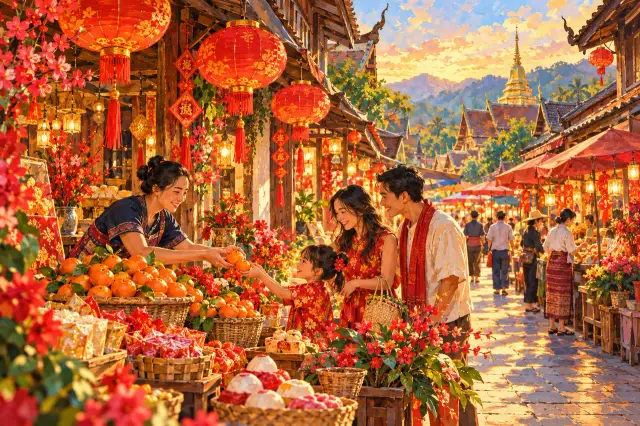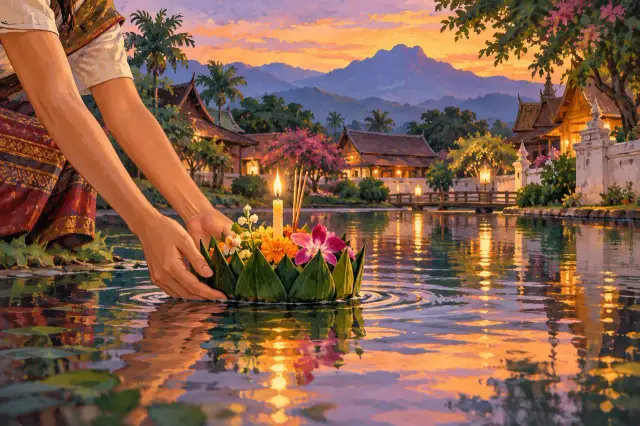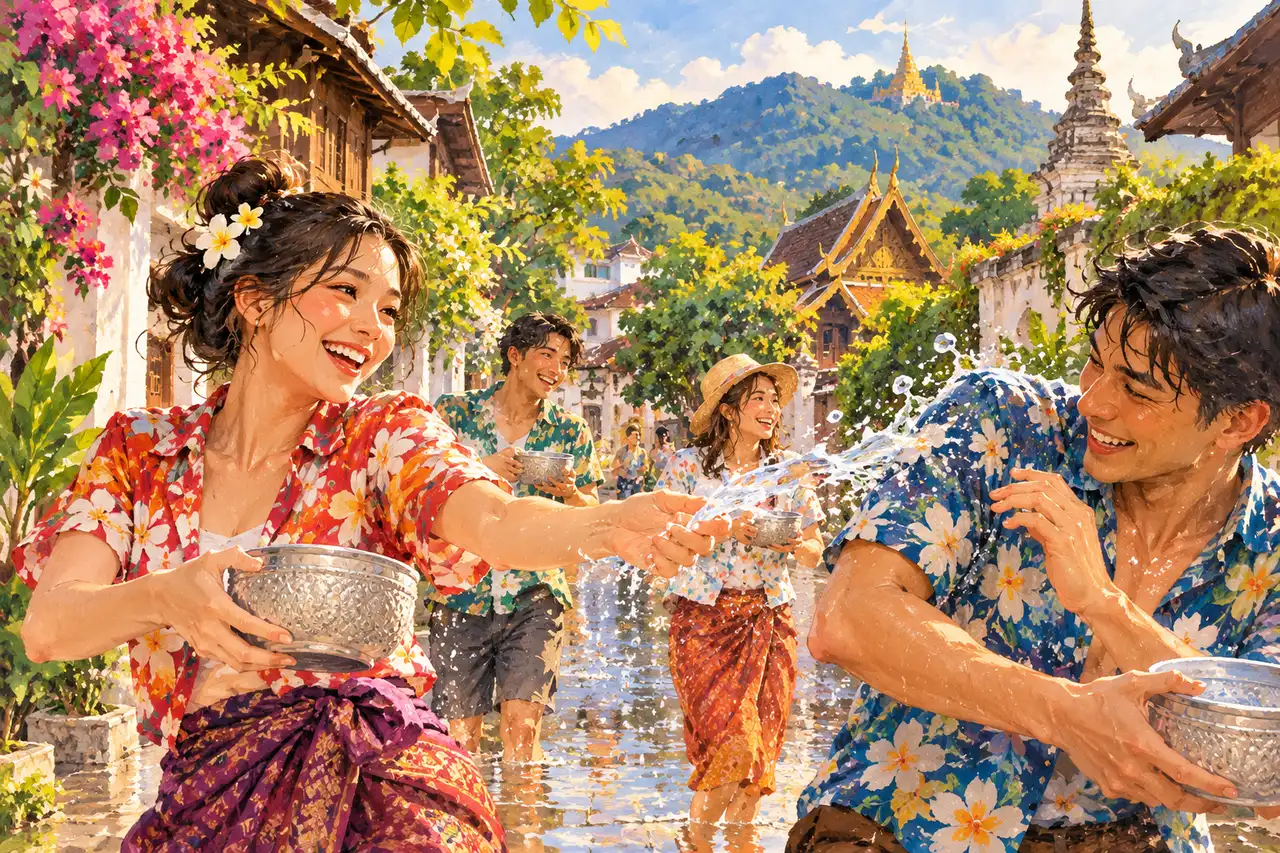
Chiang Mai's Songkran is best understood as two overlapping experiences: Pi Mai Muang, the northern New Year with family and temple traditions, and the lively water celebrations around the Old City. You can enjoy both if you separate the quiet morning from the wet afternoon. You can also choose only the cultural side without feeling that you have missed the point.
Dates and what is actually confirmed
Songkran's core dates are April 13 to 15, but city programs and ceremonies can extend beyond them. TAT's published 2026 program included Chiang Mai Water Festival at Wat Chedi Luang on April 11 to 13. That is a historical example, not an announcement for 2027 or a promise that the same temple program repeats unchanged.
Before booking, look for a dated municipal or TAT schedule and note road closures. A procession time is different from the hours when people are informally splashing in the street. If seeing a particular ceremony matters, ask which entrance and viewing area visitors should use, and arrive without wet party gear.
A morning that explains the festival
Begin at Wat Chedi Luang or Wat Phra Singh, according to the current temple program. Watch how participants approach the ceremonies and ask before joining. Buddha-image bathing and respectful water blessings are different from a street water fight. Keep the water gentle, and do not splash monks, worshippers or a ritual space.
Have a northern lunch before changing into clothes you are comfortable getting soaked in. Khao soi gives you a seated break; sticky rice with cooked dishes is useful if you want a simpler meal. Carry a dry set of clothes in sealed protection if you have a restaurant booking afterward. Some venues will not welcome dripping costumes and water guns indoors.
An afternoon around the moat
Use Tha Phae Gate as an orientation point, then choose one short stretch of the moat instead of trying to complete a circuit. Expect traffic restrictions, slow pedestrian movement and wet pavements. Agree a turning point with your group while everyone can still hear each other.
Bring clean water for your own splashing and do not treat moat water as safe for drinking or rinsing your face. Avoid aiming at faces, riders, moving vehicles and people who are clearly not participating. Waterproof protection needs to seal properly; an ordinary pocket or a loose plastic cover is not enough for a passport or phone.
Plan the exit before entering. A hotel inside the Old City can give you a walkable retreat, but the route may still pass active splash areas. If staying farther out, choose a pickup point beyond the main crowd and tell your driver you will be wet. A car is preferable to riding a scooter through unpredictable splashing and holiday traffic.
If you want to stay dry
Do a morning temple visit, then retreat to a reserved cooking class, indoor workshop or hotel afternoon. Check whether the provider's pickup route passes splash zones. Nimman and residential areas are not guaranteed dry corridors; water play can happen outside the main moat gathering.
With younger children, short supervised participation is easier than a whole afternoon. Explain a simple rule: never spray someone who is riding or walking away from the game. Take breaks, keep drinking water separate from play water, and choose footwear with grip. Anyone uncomfortable with dense crowds can enjoy the food and cultural program instead.
April conditions and what to book first
April can be very hot, and northern air quality can affect outdoor plans. Check current conditions using the Pollution Control Department's monitoring rather than assuming a mountain viewpoint will have clear skies. Move the exposed part of the day earlier, use shaded rests and keep an indoor alternative.
Book accommodation and intercity travel before building a detailed schedule. Thailand's New Year brings domestic journeys as well as visitors. Avoid a prepaid evening show immediately after a long road transfer, and give yourself a day to understand the neighborhood before the main celebrations.
Choose the base and arrival that fit your route
The Old City suits a first visit built around temples, gate-side food and walking. Chang Khlan places you near the Night Bazaar and larger hotels; Nimman suits coffee, design shopping and a contemporary evening. They are separate neighborhoods. Choose dinner near your final activity instead of crossing the city repeatedly, especially when festival closures affect the moat roads.
Three ways to extend the visit without wasting a transfer
Give the Old City a morning of its own. Start near Wat Phra Singh, continue toward Wat Chedi Luang and choose lunch before crossing the moat. This makes sense for travelers who enjoy looking closely at architecture, browsing small shops and taking a cafe break. It also lets you return to an Old City hotel easily. A temple is a living place of worship, so a closed hall is a reason to adjust the visit rather than push past an entrance barrier. Keep a covered-shoulder layer with you even when the rest of the day is informal.
Make the river-and-market district a second, different outing. Warorot and Ton Lam Yai are working markets, useful for ingredients, flowers and the ordinary rhythms of the city. Walk only a short section if heat or crowds become tiring. Buy a small portion of unfamiliar food first, then ask how it is served before ordering more. Leave enough room in your bag for purchases and check which foods your onward destination permits. An ornamental package does not make meat or plant products eligible for international import.
The third version is a Mae Rim excursion. Treat the outward drive, the attraction and the return as the main activity of the day. A lunch or garden setting can justify the trip, but it does not belong between two tightly timed city reservations. Ask the driver whether waiting, parking and the return are included in the quote. If a special resort meal is the reason you are going, reserve it directly before arranging transport. The hotel postcode matters more than the marketing phrase 'Chiang Mai,' which can cover properties well outside the walkable center.
A local food day with clear ordering choices
For breakfast or lunch, try one bowl of khao soi before turning the meal into a tasting challenge. Ask whether the broth and toppings contain chicken, beef or another meat. The crunchy noodles, soft noodles, lime, shallot and pickled accompaniments play different roles; add the garnishes gradually so you can taste the curry first. A restaurant can adapt the spice level, but a dish prepared from a shared curry base may not be adaptable to every allergy.
At a market, choose a few freshly cooked dishes with sticky rice rather than carrying a large assortment through a hot afternoon. Sai ua is a useful northern specialty to recognize, but vegetarians should request a fully separate alternative and ask about stock and sauces. For a celebratory restaurant meal, a written dietary request made when booking is more useful than expecting staff to redesign a set menu at the table. Keep a simple meal near the hotel as the fallback if a long outing runs late.
For an indoor activity, compare a cooking session with a craft workshop. Ask what you actually make, how many guests share a station and whether the pickup area covers your accommodation. A market tour is not included in every cooking class, and a finished craft may need time to dry before a flight. These details make the difference between a practical holiday activity and an attractive description that does not fit your schedule.
Plan the next edition around April 13 to 15, 2027
April 13 to 15 are the core annual Songkran dates. Local processions, temple ceremonies and organized water zones need their own dated 2027 announcement. The Thai government's 2026 event directory is a useful historical comparison, with different dates and venues for different provinces, rather than a schedule to copy into a future booking. Verify any ceremony that matters before arranging a guide around its supposed start time.
Pack for two distinct parts of the day. The temple visit needs respectful clothing and quiet behavior. Informal water play needs washable clothing, secure footwear and a sealed place for the phone, money and hotel details. Keep the passport at your accommodation when you do not need to carry it. Ask your host whether the route back passes active splashing, because a restaurant or hotel outside the main celebration area is not automatically reached by a dry route.
Make a dry alternative before you need it
An indoor cooking activity or craft session can be the main event for anyone who does not want to join water play. Confirm provider opening, pickup and holiday staffing directly. Book a meal after time to change, not immediately after a splash session. If someone in the group wants to stop, agree to leave together or use the meeting point chosen beforehand.
Check present heat and air-quality conditions before a long exposed outing. The Pollution Control Department's monitor gives current information; a photograph of clear mountains is not a condition report. A shorter walk followed by a shaded meal is often the more enjoyable April plan.
The route decision for this particular holiday
The moat is an orientation feature, not a promise that every gate has the same crowd. Stay on a short section and let the current municipal traffic plan determine where a driver can collect you.
Compare the Chiang Mai destination overview when choosing your base.
Sources and checking the next celebration
Editorial check: 16 October 2026. The routes above are editorial suggestions. An earlier year's festival listing establishes what happened then, not the dates, lineup, prices or permissions of a future edition. Recheck organizer notices before paying for travel.
- TAT's 2026 Songkran program, including Chiang Mai.
- TAT: Songkran's cultural heritage.
- Thai Pollution Control Department monitoring.
- TAT: Wat Phra Singh and the Old City.
Browse Chiang Mai tours and activities for available experiences, and compare the actual pickup area, duration and cancellation policy before booking.
Cover: an original editorial illustration of the holiday atmosphere, not a photograph or confirmation of a particular venue or event.