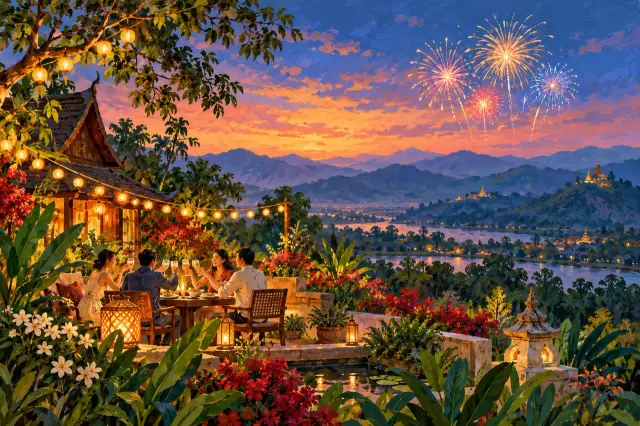
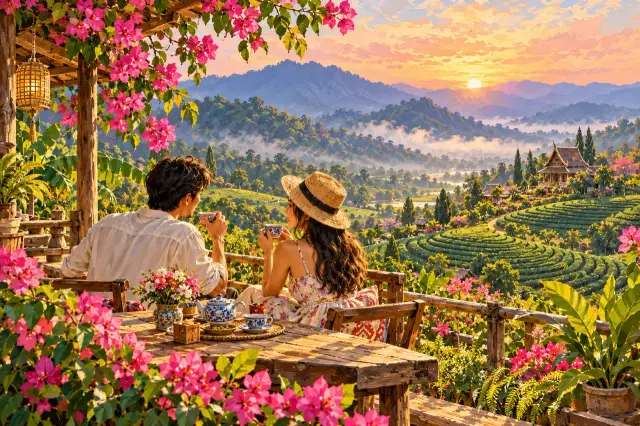
Choose Singha Park for a Chiang Rai day with tea landscapes and one or two activities you actually want to do. Decide whether the visit is mainly scenic, active or food-focused before buying a package. The entrance landmark is a recognisable photograph, but it is only one part of a much larger place.
The Tourism Authority of Thailand describes Singha Park as an agricultural tourism destination with tea plantations, crops and landscaped surroundings. The operator lists transport-based farm visits, rentals and additional activities. Those choices make the park adaptable, but they also mean that arriving without a preference can lead to buying more than your group has time or energy to enjoy.
Choose a scenic, active or relaxed visit
For a scenic visit, give the main block of time to an official farm route or an appropriate public viewing area, then add a drink or meal. This suits travellers who want the agricultural landscape without organising a demanding activity. Confirm which parts are accessible through the transport or ticket you choose.
For an active visit, start with the activity that matters most and check its current availability. A bicycle rental, a scooter tour and a private golf cart are different products with different requirements. Do not choose solely because the vehicles appear together in a promotional image.
For a relaxed family visit, one simple activity and a seated meal may be enough. A large park can make a small programme feel substantial because moving between areas takes time. Leave space for toilets, drinks and changes of mind rather than booking every available option.
Agree that overall shape before leaving Chiang Rai. It gives you a useful filter at the ticket or information point: you can ask for the product that supports your day instead of deciding among several packages while the rest of the group waits.
Understand what the farm route includes
The operator's current description presents an electric-tram farm route with several stops, including lake scenery, a tea and flower area, a mini zoo, the Red Barn activity area and a tea-drink stop. Check the current route, stop duration and inclusions before buying. A listed programme can change with season, maintenance or an event.
Ask whether you remain with the same vehicle, how boarding works and what happens if someone wants to leave a stop early. For a family, clarify whether seats are allocated, whether a stroller can be carried and how far you need to walk at each stage. These details matter more than the number of stops in the brochure.
If your main interest is tea, ask how much time the programme actually gives the tea landscape or tasting. A general farm tour may offer a broad introduction rather than a detailed production explanation. Choose it for that breadth if it suits you, or ask about a more focused tea activity.
Do not assume a farm-tour ticket includes every rental, sports activity, drink or food purchase you encounter. Request the inclusions clearly and keep enough time for any separately booked activity. A transport route and an all-inclusive day are different things.
Give the tea landscape a purpose
Look at how the cultivated rows follow the terrain and how the agricultural areas relate to the wider park. A landscape photograph can be interesting without entering a working plot. Use designated visitor routes and ask before stepping between tea plants or approaching people working.
If you are offered tea, ask what you are tasting and how it is prepared. Keep the question practical: which tea is it, where was it grown and how would you brew it at home? A brief explanation can make a souvenir purchase more useful than choosing a package only by its appearance.
The operator lists a tea-blending activity among its offerings. Confirm whether it is running on your date, how long it takes and whether booking is required. It can be a good choice when you want to spend time doing one thing, but it should not be assumed to be included in every farm visit.
For a more extensive tea-village day, Doi Mae Salong offers a different setting and route. Choose it separately if tasting, a village meal and a mountain stay are the main interests. Singha Park's agricultural visitor programme and Santikhiri's tea businesses provide different experiences rather than interchangeable versions of the same stop.
Flowers and events are date-specific
The operator describes flower areas as changing with the time of year. Check what is currently in bloom rather than expecting the same display as a photograph from another season. A park can still offer an enjoyable landscape when a particular flower field is between displays.
Ask which viewing areas are open and stay on the intended paths. A gap in a bed is not permission to enter for a photograph. Keep bags, umbrellas and children clear of planting, and wait for a useful angle from a public route.
Special events can change the atmosphere, traffic and available activities. If you want a quiet visit, check the operator's current events calendar before choosing the date. If you are coming for an event, confirm its actual programme, ticketing and parking arrangements rather than assuming normal park admission covers it.
Do not book a trip for a balloon display or other dated event based on an old photograph. The image may be an accurate record of a previous occasion while offering no evidence that the same activity is happening on your date. Choose the ordinary park visit for what is currently available.
Choose rentals for the route you can comfortably use
Before hiring a bicycle or other vehicle, ask where it may go, how the return works and whether the route includes gradients. Check the equipment, brakes and any required protective gear. Tell the staff about children or inexperienced riders so they can explain suitable options.
Confirm whether a rental is priced by time, route or vehicle and what happens if you return late. Ask about deposits, identification requirements and responsibility for damage. Clear terms at the start prevent a relaxed ride from ending with an unexpected charge or an unresolved return point.
A private golf cart may help a group move together, but establish who may drive it and which areas it can access. Do not assume it can enter every part of the park or replace walking at every stop. Use only the permitted routes and follow the operator's rules around pedestrians.
If a sports activity is the main attraction, ask about current age, height, equipment and supervision requirements before paying for a whole family. A photograph of an activity does not establish that it is suitable for every traveller. Choose a simpler alternative if the requirements do not fit your group.
Keep animal-related stops optional
A mini-zoo stop appears in the operator's farm-tour description. If that is important to you, ask which areas are open and what the visit involves. If it is not your interest, find out whether your chosen route offers an alternative place to wait or whether a different product would suit you better.
Follow staff instructions and barriers around animals. Do not bring your own food for them, reach into an enclosure or encourage a close encounter for a photograph. A visitor activity should remain within the arrangement the operator currently permits.
For children, explain the boundaries before arriving at the stop and assign an adult to supervise. Keep drinks, food and loose belongings secure. It is easier to make the stop comfortable when everyone understands whether they are observing, walking through or taking part in a specific supervised activity.
Plan lunch where the day naturally pauses
The operator lists Bhu Bhirom among its restaurant offerings and also describes tea-focused outlets. Check the current location, service hours and whether a reservation is useful on your date. A full meal and a quick tea drink solve different needs during a large-park visit.
Choose lunch around your main activity rather than leaving it until everyone is tired. If a tour has a fixed departure or a rental must be returned, settle those commitments before ordering a long meal. A seated break works best when it does not immediately create a rush.
Ask about ingredients and portions, especially when sharing dishes as a group. For an allergy or strict dietary requirement, use a clear translated explanation and confirm that the kitchen can accommodate it. Do not infer suitability from the restaurant's setting or the appearance of a menu photograph.
Keep enough water for the outdoor sections and ask where eating is permitted if you bring snacks. Take responsibility for packaging and use designated bins. A farming landscape is part of the attraction, rather than a convenient place to leave food waste after a photo stop.
Budget for separate choices
List transport from Chiang Rai, the activity or farm-tour product, rentals where relevant and meals as separate items. Then compare packages using the same inclusions. A low headline price may cover a short ride while a higher quote includes more time or equipment.
Ask whether each price is per person, per vehicle or per group. Clarify children's charges and any additional equipment costs before paying. For a mixed group, it may be more useful to buy different activities than to choose an expensive package that only one person wants.
Use the park's official channels for current prices and operating arrangements. Avoid relying on a several-year-old list of fares from another visitor. The useful outcome is a total that matches your chosen day, rather than an exact number repeated without its conditions.
If weather affects an activity, ask how a change or cancellation is handled before booking it in advance. Keep that question specific to the product you are buying. A light shower and the closure of an exposed sports activity may have different consequences for the rest of the park visit.
Fit Singha Park into the wider Chiang Rai route
A park-focused day can stand on its own, especially when you choose a longer activity and lunch. If combining it with Wat Rong Khun, give the temple a separate visit block and check the driving route with your transport provider. Do not let the park's size disappear from the schedule simply because both places are outside the city centre.
Baan Dam and the Blue Temple are other distinct Chiang Rai experiences. Choose one based on interest and geography rather than adding every major name to a single itinerary. An agricultural landscape, an art museum and a worship hall require different kinds of attention.
Doi Tung's Royal Villa and garden are a separate mountain outing. The designed garden there and Singha Park's agricultural landscape can both appeal to visitors who enjoy plants, but the transport and activities differ. Give each day a clear reason instead of treating all green spaces as interchangeable.
Settle transport before the first activity
With a driver, agree the collection point, waiting period and whether the quote covers movement between the areas you intend to use. Save the contact details and clarify how a change to the plan affects the fare. A vehicle waiting at the entrance is not necessarily a transfer between every activity area.
For independent travel, establish the return before starting a long tour or rental. Leave a margin before an onward connection and keep the actual meeting point in the Tripnatic planner. A large place is easier to enjoy when the final journey is already organised.
Choose one main activity, one landscape experience and a comfortable meal. That gives Singha Park enough purpose and variety for a satisfying visit, while leaving room to adjust to the weather and what your group enjoys on the day.
Sources and related guides
Singha Park: official activities and visitor information
Singha Park: official contact information
Tourism Authority of Thailand: Singha Park Chiangrai
Doi Mae Salong tea tasting and village day
Wat Rong Khun White Temple visit