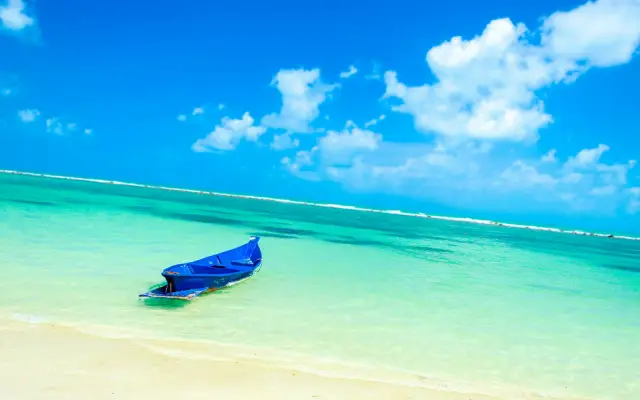
The first useful question is not “Where is the best snorkeling?” It is “What kind of day do we want if the water is disappointing?” A beach day can still provide lunch and time on the sand. A boat trip can offer island scenery and a shared excursion. A long journey whose only acceptable outcome is perfect visibility is a much more fragile booking.
Samui offers several distinct choices, from trying your equipment near shore to visiting islands south of Samui or traveling farther toward Koh Tao. Compare them by actual time in the water, the support provided and the ease of opting out. The planning examples below are editorial suggestions, not assessments of today's sea.
Start with confidence and supervision
Tell an operator if you are a beginner, an uncertain swimmer or traveling with children who have never used a mask. Ask what support is available in the water, how groups are supervised and how a participant returns to the boat early. A label such as “suitable for everyone” does not answer those questions.
For a first attempt, equipment fit and calm practice away from sensitive habitat matter more than reaching the most celebrated site. Green Fins Thailand's visitor guidelines emphasize fitting equipment and practicing away from reefs. A guided introduction that gives time for this can be more rewarding than several hurried stops.
A flotation aid is not a substitute for an appropriate plan or attentive supervision. Ask the operator which equipment suits your abilities and how it will be used. If nobody in the group is comfortable in open water, do not let a photograph persuade you into a trip that depends on confident independent swimming. A beach, coastal walk or boat ride without snorkeling can be a complete experience.
Use a beach session for flexibility
The strongest argument for shore snorkeling is control over your time. You can assess conditions on arrival, spend a short period trying the equipment and stop without waiting for an entire boat group. It suits people who want an optional activity within a beach day and companions who prefer to stay on land.
Silver Beach, also called Crystal Bay or Thong Takhian, is a small east-coast cove between Chaweng and Lamai. The local Crystal Bay property's beach guide confirms those names and describes the boulder setting. Use it for location and facilities questions, while assessing the actual water locally. Commercial descriptions of shelter or year-round conditions should not be treated as a safety guarantee.
Before entering, ask where access is currently appropriate, whether there is boat activity and whether today's conditions suit your experience. Stay clear of coral and marine life, and leave the water if the plan no longer feels comfortable. Rocks are not handholds for a photograph. A small cove can still have submerged obstacles, changing waves and variable visibility.
Count the cost of getting to the beach
A shore session is not necessarily the cheapest day if you cross the island in a private car, rent equipment and buy a long meal at a beachfront venue. Add those costs together before comparing it with a boat price that includes transfers and lunch. The relevant number is your group's complete day, not whether there is an admission gate.
If you already stay near a suitable beach, shore snorkeling can be a low-commitment experiment. Ask about equipment availability before carrying only a towel to the sand. If you need prescription lenses or a particular fit, discuss that in advance or bring suitable personal equipment. Rental availability is not a promise that every size or requirement is covered.
For companions staying ashore, check shade, seating, refreshments and restroom access. Beach access does not automatically include use of hotel pools, loungers or changing facilities. Ask what a paid facility arrangement covers. A comfortable place to sit can make the difference between a shared outing and one person waiting impatiently for the swimmers to finish.
Consider Koh Tan for a southern-island outing
Koh Tan, also written Ko Taen, lies south of Samui. The government community-tourism description places it in the Taling Ngam area and describes reefs, mangroves and different shore environments. It also identifies Thong Krut as a departure area for long-tail access. These are stable geographic details; a specific departure, route and water stop still require current confirmation.
The main appeal is a compact island excursion rather than a promise of spectacular visibility. Ask which part of the outing is devoted to snorkeling, whether the guide enters the water and how the itinerary changes when the preferred site is unsuitable. A route advertised with another island may spend substantial time on beach stops rather than in the sea.
For travelers based in northeastern Samui, include the road journey to the southern departure point in your comparison. A short boat crossing does not make it a short hotel-to-hotel activity. If your accommodation is in the southwest, the same outing may fit more easily. The Koh Tan and Pig Island guide explains the broader combined-day format; check your actual itinerary rather than assuming every product follows it.
Understand what a Koh Tao day adds
Koh Tao is a recognized diving and snorkeling destination, highlighted in the Tourism Authority of Thailand's island overview. From Samui, however, you are purchasing a longer transport day as well as water access. That can be worthwhile when marine life is your central interest and everyone is comfortable with the travel involved.
Ask for the hotel pickup window, departure pier, expected return window and number of planned water sessions. Distinguish total activity duration from usable snorkeling time. Also ask whether snorkeling and diving guests share the same boat and how the needs of the two groups are managed. An operator's general destination reputation tells you little about the design of one specific day.
A Koh Tao outing is less convincing when one traveler dislikes boats, children need frequent breaks or you only have one full day on Samui and want to experience the island itself. Read the Samui-to-Koh-Tao snorkeling guide before committing. If snorkeling is the focus of several days, staying on Koh Tao may deserve consideration instead of repeatedly commuting from another island.
Choose Ang Thong for the whole landscape
Ang Thong is a different proposition. Its island formations, coastal views and land-based stops can be the main reasons to go, with snorkeling one component if included and suitable. TAT's Ang Thong and Samui feature describes the park's viewpoints and lagoon as well as nearby island excursions. Those varied activities mean you should assess the entire itinerary.
Do not compare an Ang Thong scenic day with a dedicated snorkeling day solely on price. Ask how much time is allocated to walking, kayaking, beach stops and water activity. A traveler who wants extended snorkeling may find the scenic variety distracting, while a group with mixed interests may appreciate it.
National park access and individual activities can be affected by current authority decisions, conservation restrictions and weather. Check the operator's latest route and the park's current notices through the Department of National Parks. Avoid assuming a historic annual closure pattern is the live rule for your travel date. Confirm whether any required park charge is included in the quote and what happens if a listed stop cannot be visited.
Read a boat description for useful details
A good comparison starts with boat layout and the practical water entry. Ask about steps or ladders, handholds, shade, toilets and seating, especially for anyone with knee problems or limited mobility. A photograph of a large vessel does not establish how boarding works at every pier or beach. Transfers between a boat and shore can be a separate challenge.
Ask the maximum passenger count, how equipment is fitted and the guide-to-group arrangement for snorkeling. Clarify whether someone is watching from the boat while others lead in the water. You do not need to select the smallest possible group, but you should understand how the planned group is managed.
Compare food, drinking water, equipment, transfers and any site charges on the same basis. Ask how missing a pickup, a weather cancellation or an operator-led route change is handled. Keep the response with the booking confirmation. A clear operational answer matters more than a promise of pristine water or a guaranteed animal sighting.
Let daily conditions override the photograph
Visibility can change with waves, rainfall, sediment and the chosen site. Sunshine overhead does not guarantee clear water below, and a cloudy sky does not automatically make snorkeling impossible. Use the Thai Meteorological Department's Samui forecast to inform the discussion, then ask the operator about the actual route and current conditions.
Boats operate subject to the weather and relevant authority decisions. Do not pressure a crew to use a site it has rejected, and do not read a changed itinerary as proof that the operator failed to deliver the original photograph. The useful booking question is how alternatives and refunds are handled, including the distinction between cancellation and a permitted route change.
Leave a flexible day after an important water activity if your schedule allows. That creates room to move a booking when the provider can accommodate a change. It also keeps a ferry or flight departure from becoming entangled with an excursion return. If the weather remains poor, choose a land activity you actually want rather than endlessly chasing another marine departure.
Make reef etiquette part of choosing the outing
Look for a briefing that explains where to enter, how to avoid contact and how to stay clear of other swimmers. Green Fins' snorkeling guidance publication identifies feeding fish, standing on coral and chasing animals as harmful practices. A provider that encourages those activities is sending the wrong signal, whatever its review score.
Observe animals without touching or pursuing them, keep equipment clear of the reef and take all belongings back to shore. Secure a camera so that managing it does not become more important than your position in the water. If you cannot comfortably avoid contact, ask the guide for help or return to the agreed exit rather than resting on the reef.
This should influence the choice between beach and boat. An inexperienced visitor may benefit from a properly led session, while a confident snorkeler may value a flexible shore visit. Neither arrangement is automatically responsible. What matters is the behavior it supports and the limits you accept.
Choose the day that survives imperfect water
For a couple with different interests, a beach session with a good lunch plan can be the strongest option. For a family keen to try snorkeling together, a clearly supervised short outing may be worth the extra coordination. For committed water enthusiasts, a longer Koh Tao day can make sense once transport and equipment details are clear.
If you have several nights, try a flexible shore session early in the stay before deciding whether to commit to a longer boat day. That gives you information about mask fit, your interest in the activity and how the group feels about time in the water. It does not predict conditions at another site, but it can prevent paying for a long outing that someone discovers they do not enjoy.
Keep the first attempt free of performance pressure. Seeing a handful of fish and returning comfortably can be a successful introduction. Do not turn it into a challenge to reach the far end of a bay or stay in as long as another participant. The best choice is the one that lets everyone take part willingly and opt out without spoiling the entire day.
Use the same final test for each: if visibility is average, will the rest of this day still feel worthwhile? If the answer is yes, the booking probably fits your trip. Compare Samui boat experiences by the actual schedule and support, then leave the final decision about entering the water to the conditions and your comfort on the day.